When a commercial roof starts to fail, the first instinct is often to call whoever is closest or whoever is already working on the building. However, the flat or low-slope roof over a hospital, warehouse, or retail center is a very different job from a shingle roof over a house. Choosing a contractor that specializes in commercial roofing is one of the most important decisions a building owner or facility manager can make.
A Commercial Roof Is a Different System
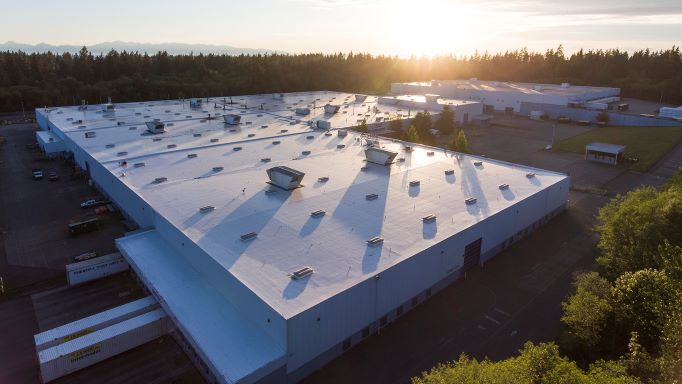
Most commercial roofs are flat or low-slope and rely on single-ply membranes such as TPO, PVC, or EPDM rather than shingles. Water has to be moved off the roof by drains, scuppers, and carefully planned slopes, and every seam, edge, and flashing detail has to be done right. Add rooftop equipment, vents, and other penetrations, and the number of places water can find a way in grows quickly. The materials, tools, and installation methods are specific to this kind of work, and so is the experience needed to do it well.Experience With the Problems That Matter
A specialist sees the same trouble spots on commercial roofs every week: standing water that never drains, failing seams, flashing around equipment curbs, and clogged or undersized drainage. That pattern recognition means problems are diagnosed correctly the first time, rather than patched in the wrong place while the real source of the leak keeps causing damage.Working Around an Occupied Building
Your tenants, patients, employees, and customers do not stop showing up while the roof is being worked on. A commercial roofer plans for that, coordinating schedules with facility teams, protecting interiors and inventory, controlling access to the work area, and keeping noise and disruption to a minimum.Safety and Compliance
Commercial properties often require contractors to document their safety programs, insurance, and training before they can step on site. LaFerney is ISNetworld verified and a National Safety Council member, and we work exclusively on commercial properties. When you evaluate any roofer, ask to see proof of insurance and safety documentation, and ask how their crews are trained.Manufacturer Relationships and Warranties
A roofing warranty is only as good as the installation behind it. Manufacturers certify contractors who have shown they can install their systems correctly. LaFerney is a Duro-Last Platinum Contractor, the highest designation Duro-Last awards. Working with a certified installer helps make sure the warranty you are paying for will actually be there when you need it.Planning for the Long Term
A commercial roof is a capital asset, and a good specialist treats it that way. That means documented inspections, preventative maintenance, and honest guidance on when a repair makes sense and when replacement is the better investment. For owners with multiple buildings, a single point of contact and a consistent standard across every property, like our Corporate Partnership Program, makes planning and budgeting far easier.Questions to Ask Before You Hire
- Do you work exclusively on commercial properties, or is commercial a side line?
- Which manufacturers are you certified to install, and what warranties can you offer?
- Can you provide proof of insurance and your safety documentation?
- How will you protect the building and keep operations running during the project?
- Who will be my point of contact, and who responds if there is an emergency?